
The Fairley Inheritance and the Perils of Primogeniture
A Woman of SubstanceThis thread follows how inherited land and property shape the Fairley family’s expectations, rivalries, and eventual loss of control.
increasing Bearing strength in each event
 decreasing
Bearing strength in each eventdecreasingLand and Cloth
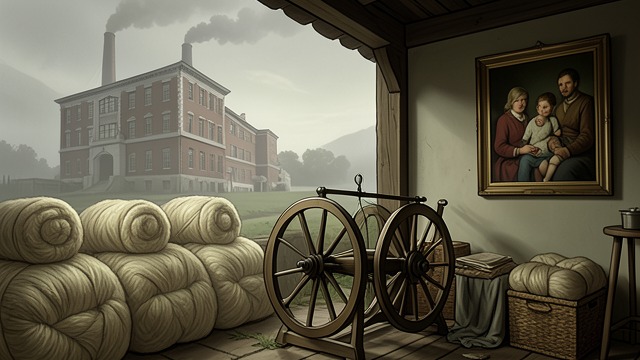
Land and Cloth
A Family Built on Property
The Fairleys trace their status to land grants and their later prosperity to wool and cloth. Success comes from combining inherited land with industrial adaptation.
A Durable Hierarchy
The long family history gives Adam and Gerald a sense that the mills and estate are theirs by right. Emma’s later rise challenges this assumption of permanent ownership.
The Heir’s Expectations
The Heir’s Expectations
Birthright and Ambition
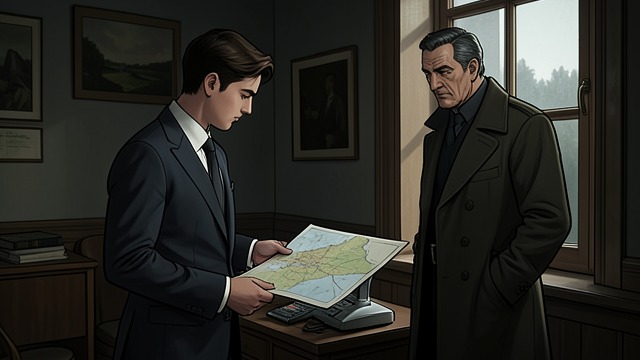
Gerald believes the family’s mills should pass to him as eldest son. He is devoted to the wool business but lacks his father’s judgment and restraint.
A Rivalry with Edwin
Gerald sees his more thoughtful brother as a potential interference in the business. The expectation of inherited authority feeds jealousy rather than responsibility.
Adam Questions the Will
Adam Questions the Will
An Unequal Future
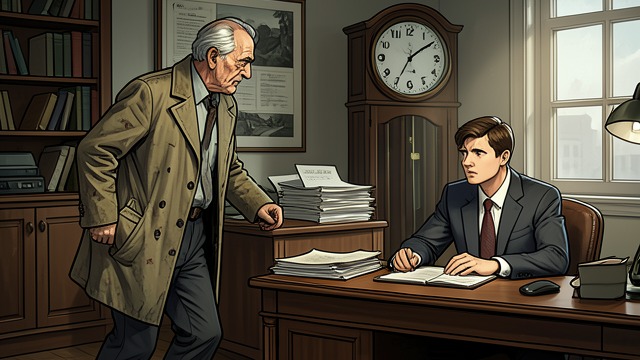
Adam recognizes that primogeniture would leave Edwin dependent on Gerald, whom he does not trust. He decides his younger son needs proper provision.
A Different Responsibility
The realization marks Adam’s first serious reconsideration of inherited custom. He sees that family wealth can create injustice even inside the family.
A Wealthy Family Loses Control
A Wealthy Family Loses Control
Assets Exposed
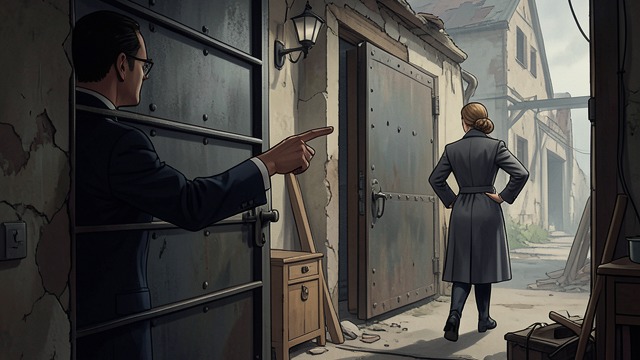
Gerald’s debts and mismanagement put the Fairley mills at risk. He uses the deeds as collateral for a loan without understanding the consequences.
Inheritance Reversed
Emma’s hidden ownership through business subsidiaries lets her take control of the mills and their associated power. The family’s inherited security proves less durable than its members believed.
The Gazette’s Final Transfer
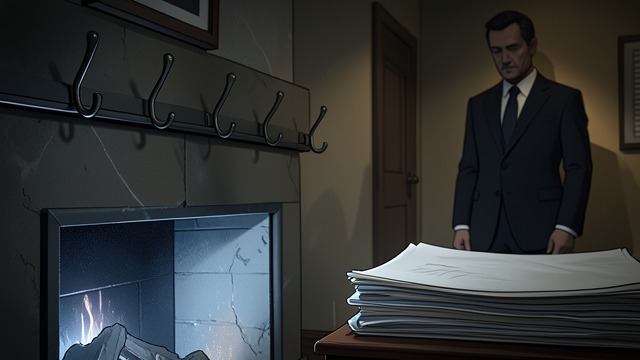
The Gazette’s Final Transfer
A Remaining Holding
The Yorkshire Morning Gazette is among the last Fairley assets with real public influence. Edwin remains attached to it after the mills have passed beyond the family’s control.
A Legacy Ends
Emma’s takeover removes the final business platform from the Fairley family. The transfer concludes a long struggle over inheritance, ownership, and who has the authority to shape local life.
From the twelfth century to the early twentieth century
1904, when Gerald begins working at the mill
1905, after breakfast with his sons
1918, after Gerald’s financial failures
1950, when Emma takes control of the newspaper
